Game streaming has exploded into a massive form of entertainment and, for many, a legitimate career path. What started as a niche hobby for a small number of dedicated gamers has grown into a multi-billion dollar industry, with successful streamers building loyal communities, earning substantial income, and even becoming celebrities in their own right.
Starting a streaming journey can feel overwhelming given how established and polished many top streamers appear today. However, every successful streamer started from zero, and with the right approach, equipment, and mindset, anyone can begin building their own streaming presence. This guide walks through everything a beginner needs to know to start streaming games professionally.
Choosing the Right Streaming Platform
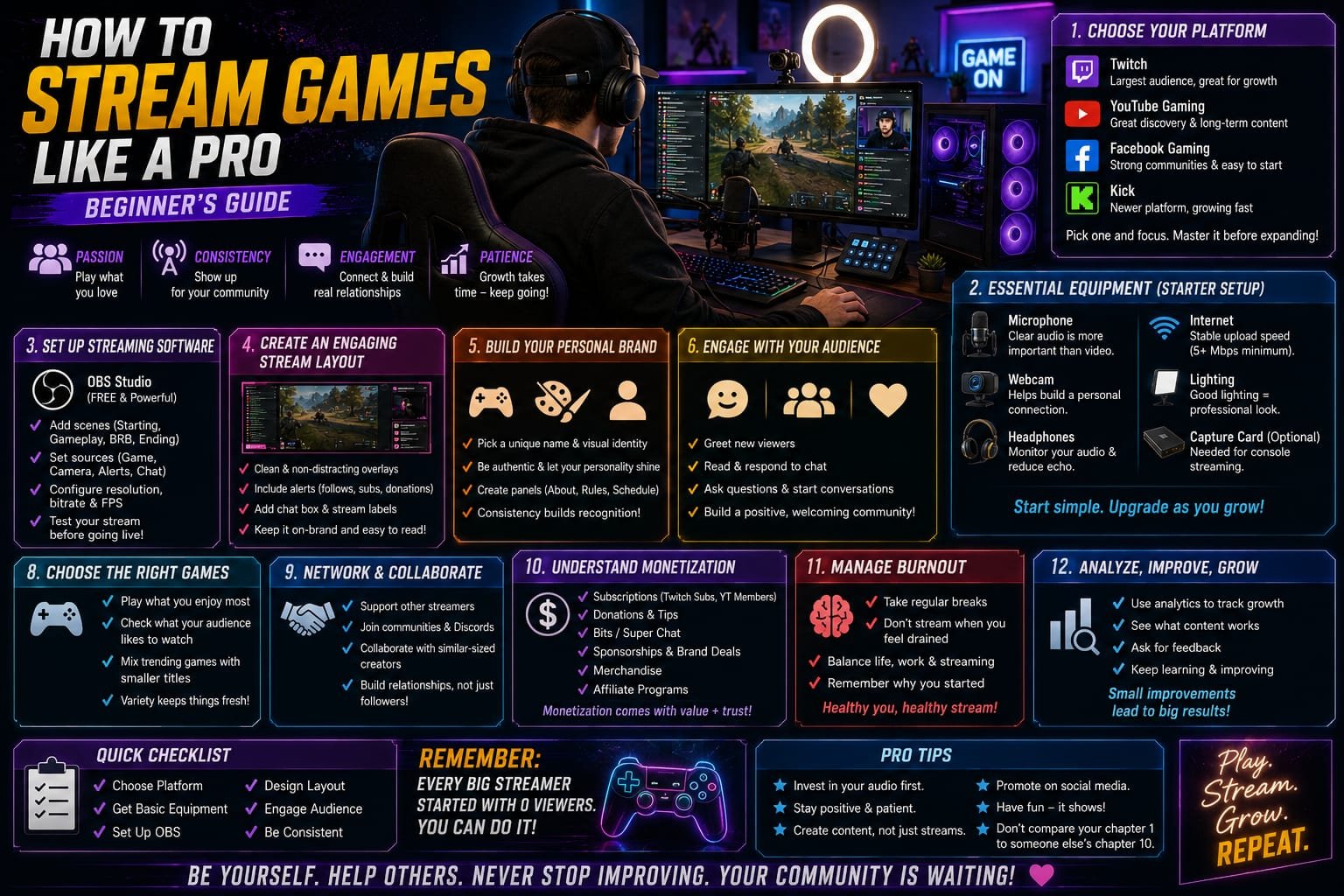
Before setting up any equipment, deciding which streaming platform to build your presence on is an important first step. Different platforms have different audience demographics, discovery algorithms, and community cultures, so researching where your target game and content style tends to perform well helps inform this decision.
Some streamers eventually expand to multiple platforms simultaneously, but for beginners, focusing on building a strong presence on a single platform first is generally more effective than spreading limited time and energy too thin across several platforms at once.
Essential Streaming Equipment
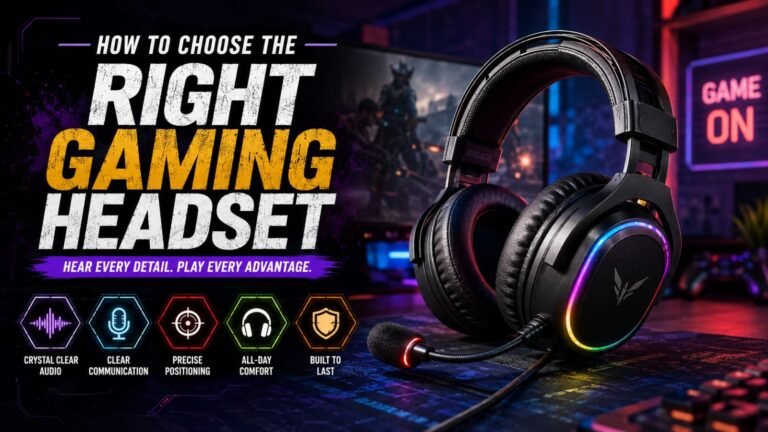
While professional streaming setups can become quite elaborate, beginners don’t need to invest heavily in equipment right away. A decent microphone significantly improves stream quality more than almost any other single equipment upgrade, since audio quality often matters more to viewers than video quality.
A webcam, while not strictly necessary, helps build a more personal connection with viewers by allowing them to see your reactions during gameplay. Stable internet with sufficient upload speed is also critical, as inconsistent streams with frequent buffering or disconnections drive viewers away quickly, regardless of content quality.
Setting Up Streaming Software
Streaming software handles the technical process of capturing your gameplay, webcam, and audio, then broadcasting it to your chosen platform. Most streaming software options offer free versions with robust features suitable for beginners, including scene transitions, overlay customization, and audio mixing capabilities.
Taking time to properly configure your streaming software settings, including resolution, bitrate, and encoding options appropriate for your internet upload speed and computer hardware, prevents common technical issues like poor stream quality or dropped frames during broadcasts.
Creating an Engaging Stream Layout
Your stream’s visual layout, including overlays, alerts, and webcam placement, contributes significantly to how professional and engaging your stream appears to potential viewers. A clean, organized layout that doesn’t obstruct important gameplay elements while still providing necessary information, like chat and follower alerts, strikes the right balance.
Many free and paid overlay templates are available online, allowing beginners to achieve a polished visual appearance without needing advanced graphic design skills. As your stream grows, custom-designed overlays that reflect your personal brand become a worthwhile investment.
Building Your Personal Brand
Successful streamers typically develop a distinct personal brand that differentiates them from the countless other streamers playing the same games. This might involve a specific personality trait, a unique perspective on gameplay, a particular sense of humor, or specialized game knowledge that provides genuine value to viewers.
Consistency in your branding, including your channel name, visual identity, and the type of content you produce, helps build recognition over time. Viewers are more likely to remember and return to streamers with a clear, consistent identity rather than those who frequently change their content focus without clear direction.
Engaging With Your Audience
Interaction with viewers is one of the biggest differentiators between streaming and simply recording gameplay footage. Actively reading and responding to chat messages, acknowledging new followers and subscribers, and creating a welcoming community atmosphere encourages viewers to stay longer and return for future streams.
Building genuine relationships with your early viewers, even when your audience is small, creates a loyal core community that often becomes your biggest advocates as your channel grows, helping spread word-of-mouth awareness to new potential viewers.
Consistency and Scheduling
Maintaining a consistent streaming schedule helps viewers know when to expect new content, which is crucial for building a habitual viewing audience. Irregular, unpredictable streaming schedules make it significantly harder for potential regular viewers to incorporate your streams into their own routines.
While it’s tempting to stream whenever motivation strikes, committing to a realistic, sustainable schedule that you can consistently maintain long-term produces better growth results than sporadic, inconsistent streaming, even if that means streaming fewer days per week initially.
Choosing the Right Games to Stream
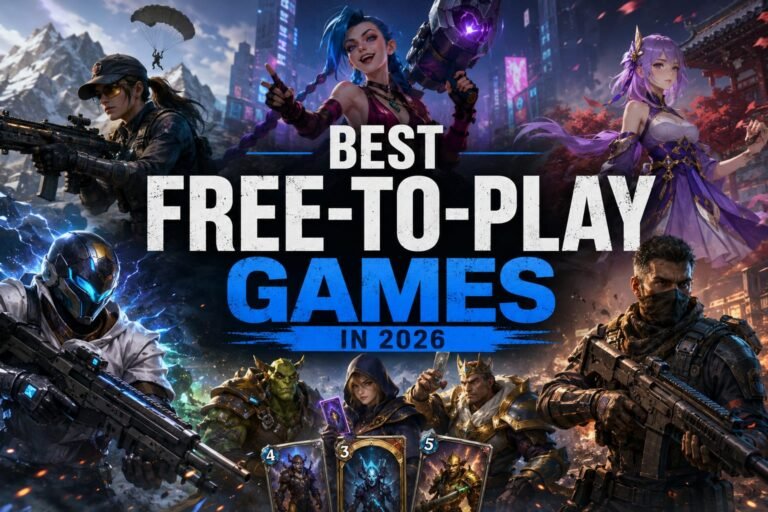
Selecting which games to stream involves balancing personal enjoyment with audience appeal. Streaming games you genuinely enjoy typically results in more authentic, engaging content, since your natural enthusiasm comes through more convincingly than forced excitement for a game you don’t actually care about.
That said, considering the current popularity and discoverability of specific games, particularly for newer streamers trying to gain initial visibility, can help attract viewers who are actively searching for content related to trending titles.
Networking Within the Streaming Community
Building relationships with other streamers, particularly those at a similar audience size, can provide mutual support and cross-promotion opportunities that help both parties grow their respective audiences. Participating in community events, collaborative streams, or simply engaging genuinely with other streamers’ content builds valuable connections within the broader streaming community.
Avoiding a purely transactional approach to these relationships, and instead focusing on genuine community engagement, tends to create more meaningful and lasting professional connections within the streaming space.
Understanding Monetization Options
As your channel grows, various monetization opportunities become available, including platform-specific subscription systems, viewer donations, advertising revenue, and sponsorship deals with brands relevant to your content and audience. Understanding these different revenue streams helps set realistic expectations for how streaming income typically develops over time.
It’s important to recognize that meaningful streaming income usually takes significant time and consistent effort to develop, and very few streamers achieve substantial income quickly. Approaching streaming with realistic financial expectations, especially in the early stages, helps maintain motivation through the inevitable slow growth period most streamers experience.
Managing Burnout and Maintaining Passion
Streaming can be surprisingly demanding, both physically and mentally, particularly when maintaining a regular schedule while also handling behind-the-scenes tasks like community management, content planning, and technical troubleshooting. Recognizing early signs of burnout and proactively managing your workload prevents the common trajectory of enthusiastic starts followed by complete abandonment.
Building in regular breaks, setting realistic goals, and remembering the original passion for gaming that likely drew you to streaming in the first place helps maintain long-term sustainability in what can otherwise become an overwhelming pursuit.
Learning From Analytics and Feedback
Most streaming platforms provide analytics tools that offer valuable insight into viewer behavior, peak viewing times, and content performance. Regularly reviewing these analytics helps identify what’s genuinely resonating with your audience versus content that isn’t performing as well, allowing for informed adjustments to your content strategy over time.
Combining these analytics with direct viewer feedback, gathered through chat interactions or community polls, provides a more complete picture of how to continue improving and evolving your streaming content based on real audience preferences rather than assumptions.
Final Thoughts
Starting a streaming journey requires patience, consistency, and genuine passion for both gaming and community building. While the technical setup process might seem intimidating initially, the equipment and software barriers to entry have become increasingly accessible, meaning the real differentiators for successful streamers come down to personality, consistency, and genuine audience engagement.
Focusing on steady, sustainable growth rather than expecting overnight success, while continuously refining your content based on both audience feedback and personal enjoyment, provides the strongest foundation for building a genuinely successful and fulfilling streaming presence over time.
About the Author