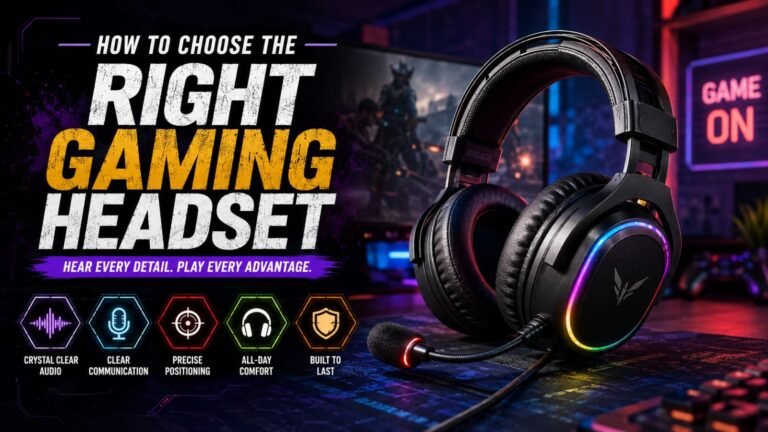
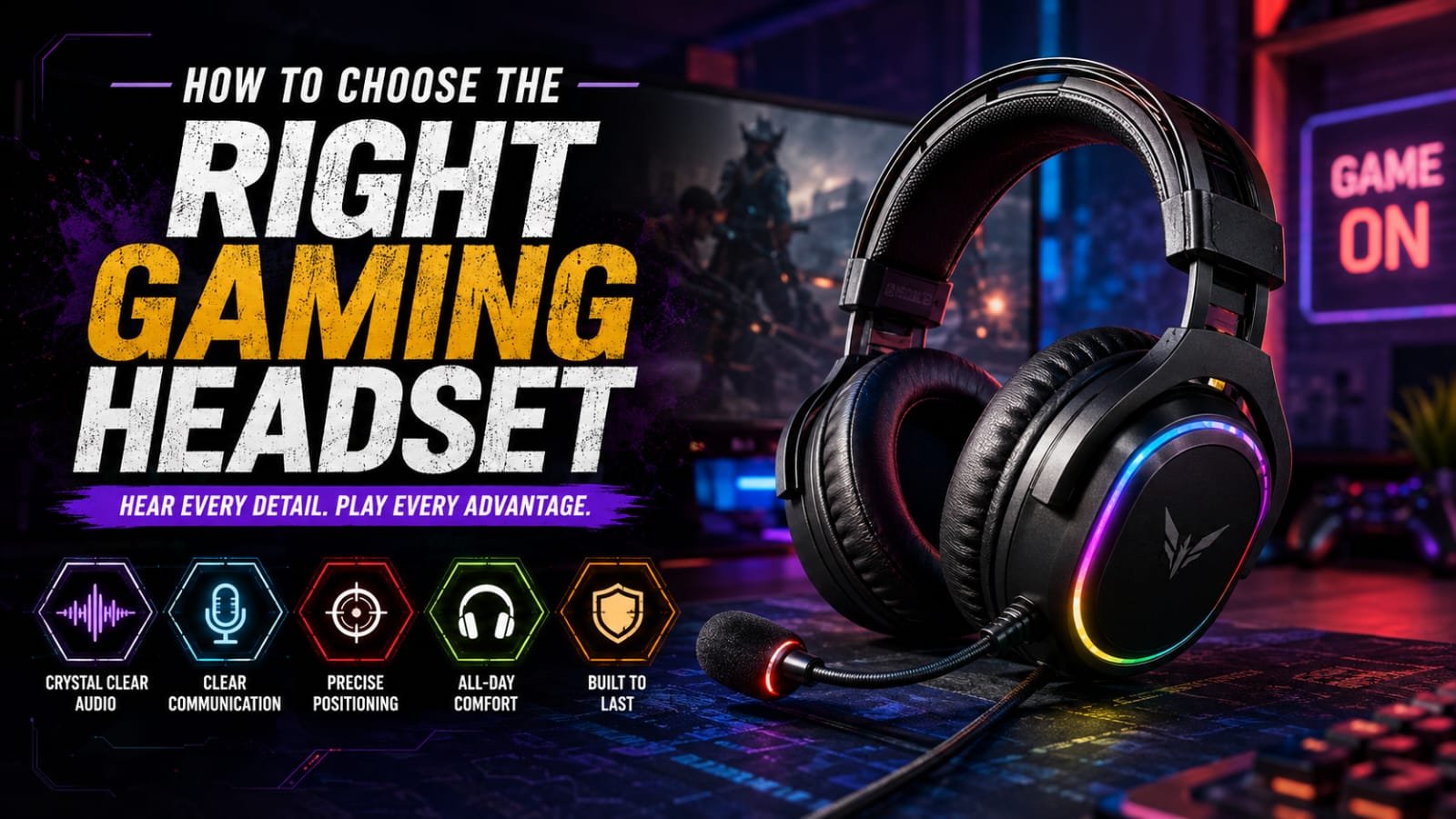
A gaming headset is one of the most impactful accessories a gamer can invest in, directly affecting both immersion and competitive performance. Whether you’re trying to pinpoint an enemy’s footsteps in a competitive shooter or simply want clear communication with friends during a co-op session, the right headset makes a meaningful difference in your overall gaming experience.
With countless options available across a wide range of prices and feature sets, choosing the right gaming headset can feel overwhelming. This guide breaks down the key factors to consider, helping you make an informed decision based on your specific needs and gaming habits.
Understanding Your Primary Use Case
Before comparing specific features, it’s important to consider how you primarily use your headset. Competitive gamers focused on precise positional audio for shooters have different priorities than casual gamers who value comfort and overall sound quality for narrative-driven single-player games.
Content creators and streamers might prioritize microphone quality above all else, since clear communication and voice recording quality directly impacts their content. Identifying your primary use case first helps narrow down which specific features deserve the most attention during your search.
Wired vs Wireless Headsets
One of the first major decisions involves choosing between wired and wireless connectivity. Wired headsets generally offer more consistent audio quality and eliminate any concerns about battery life or potential wireless interference, making them a reliable choice for competitive gamers who prioritize consistent performance above all else.
Wireless headsets offer greater freedom of movement and eliminate cable clutter, which many gamers find genuinely improves comfort during long sessions. However, it’s worth considering battery life specifications and potential latency differences, though modern wireless gaming headsets have largely minimized noticeable latency issues that once plagued earlier wireless audio technology.
Sound Quality and Audio Drivers
The audio driver size and quality significantly impact overall sound performance, affecting everything from bass response to overall clarity across different frequency ranges. Larger drivers generally, though not always, provide richer, more detailed sound reproduction, though driver quality matters just as much as raw size.
For gamers who also use their headset for music or movies outside of gaming sessions, considering overall sound quality and balance across different types of audio content, rather than focusing exclusively on gaming-specific features, ensures your headset performs well across various use cases.
Positional Audio and Surround Sound
Positional audio capability is particularly important for competitive gamers, since accurately identifying the direction of in-game sounds like footsteps or gunfire can provide a genuine tactical advantage. Many gaming headsets offer virtual surround sound processing designed specifically to enhance this positional accuracy.
While virtual surround sound can meaningfully improve directional audio perception, it’s worth noting that headset quality and proper calibration matter significantly for these features to work effectively, so researching real-world performance reviews rather than relying solely on marketing claims helps set realistic expectations.
Microphone Quality Considerations
For gamers who regularly communicate with teammates or friends during multiplayer sessions, microphone quality deserves serious consideration. A clear, noise-canceling microphone ensures your voice communications remain crisp and understandable, even in environments with background noise.
Detachable or retractable microphones offer added convenience for gamers who also use their headset for non-gaming purposes, allowing you to remove the microphone when it’s not needed without requiring a separate headphone for other listening activities.
Comfort for Extended Sessions
Since gaming sessions often extend for hours at a time, comfort becomes an increasingly important consideration beyond just audio performance. Lightweight designs with breathable ear cushion materials help prevent discomfort and excessive heat buildup during longer play sessions.
Adjustable headbands and ear cups that accommodate different head sizes and shapes ensure a proper, comfortable fit. Trying on a headset in person when possible, or thoroughly researching comfort-focused reviews when purchasing online, helps avoid the disappointment of an uncomfortable headset that looks great on paper but doesn’t fit well in practice.
Build Quality and Durability
Gaming headsets endure significant daily wear, from frequent adjustments to being placed on and taken off repeatedly throughout gaming sessions. Considering build quality, including materials used for the headband, ear cup connections, and cable if applicable, helps ensure your investment lasts through extended regular use.
Reading user reviews specifically mentioning long-term durability, rather than just initial impressions, provides valuable insight into how well a specific headset model holds up after months or years of regular use, which isn’t always apparent from short-term reviews or marketing materials alone.
Platform Compatibility
Before purchasing, verifying that your chosen headset is fully compatible with your gaming platform of choice prevents frustrating compatibility issues. Some headsets are specifically optimized for certain platforms, offering platform-specific features that might not function on other systems.
For gamers who play across multiple platforms, such as both PC and console, choosing a headset with broad compatibility and standard connection types ensures flexibility without needing to purchase separate headsets for each platform you regularly use.
Budget Considerations and Value
Gaming headsets span an enormous price range, from budget-friendly options to premium models costing significantly more. Determining a realistic budget before shopping helps focus your search on genuinely comparable options, rather than becoming overwhelmed by the full range of available choices.
It’s worth noting that significantly more expensive headsets don’t always translate to proportionally better performance for casual gamers, while competitive players seeking every possible advantage might find premium features genuinely worthwhile for their specific needs. Reading detailed reviews that compare value across different price points helps identify where the genuine performance improvements justify additional cost.
Additional Features Worth Considering
Beyond core audio and comfort considerations, various additional features can enhance your overall headset experience. RGB lighting, while purely aesthetic, appeals to gamers who want their headset to match their broader gaming setup’s visual theme.
Companion software for advanced audio customization, equalizer settings, and additional features like customizable button mapping can provide meaningful value for gamers who want to fine-tune their audio experience beyond basic out-of-box settings.
Testing Before Committing
Whenever possible, testing a headset before making a final purchase decision provides invaluable firsthand insight into comfort and sound quality that written reviews simply can’t fully convey. Many electronics retailers offer demo units specifically for this purpose.
If in-person testing isn’t feasible, checking return policies before purchasing online provides a safety net, allowing you to test the headset in your actual gaming environment and return it if it doesn’t meet your expectations, without being stuck with an unsatisfactory purchase.
Common Mistakes When Buying a Gaming Headset
A common mistake is prioritizing brand reputation or aesthetic appeal over actual performance specifications and genuine user reviews. Flashy marketing doesn’t always correlate with genuine audio quality or comfort, making thorough research essential regardless of brand recognition.
Another frequent mistake is not considering long-term comfort during the purchasing decision, focusing instead solely on initial audio quality impressions during a brief testing period. A headset that sounds great initially but becomes uncomfortable after an hour of use ultimately provides a worse overall gaming experience than a slightly less impressive but genuinely comfortable alternative.
Final Thoughts
Choosing the right gaming headset involves balancing several important factors: sound quality, comfort, microphone performance, and value relative to your specific budget and use case. Rather than assuming the most expensive option is automatically the best choice, focusing on genuine feature alignment with your actual gaming habits and priorities leads to a more satisfying long-term purchase.
Taking the time to research thoroughly, read genuine user reviews, and test when possible ensures you select a headset that genuinely enhances your gaming experience, providing both the audio performance and comfort needed for countless hours of enjoyable gameplay ahead.
About the Author