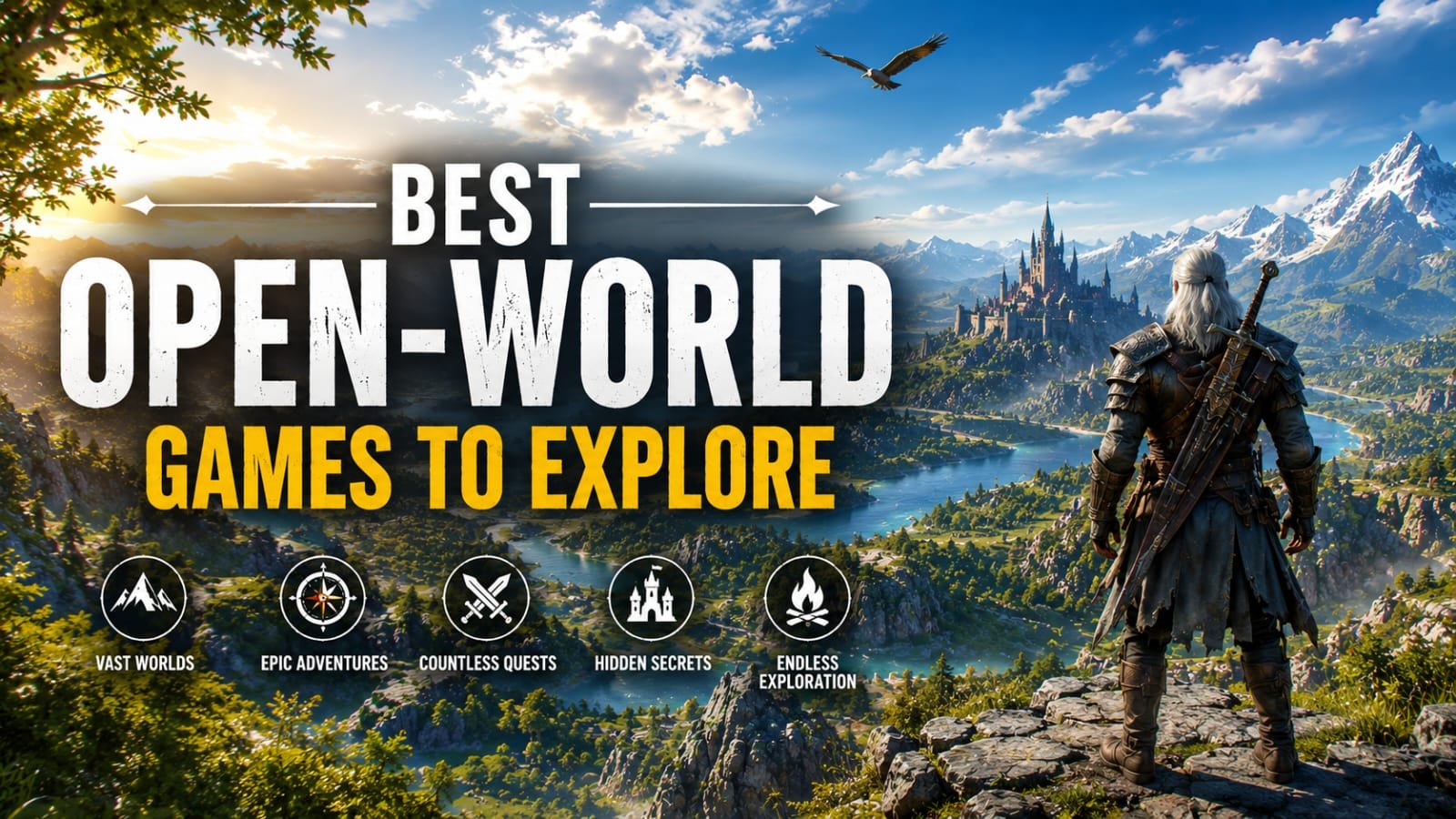
Open-world games have redefined what players expect from modern gaming experiences, offering vast, explorable environments that provide a sense of freedom rarely found in more linear, structured titles. Rather than following a predetermined path, players can explore at their own pace, discovering hidden content, side stories, and secrets scattered throughout expansive game worlds.
This genre has grown tremendously in both scope and quality over the years, with developers continuously pushing the boundaries of how large, detailed, and interactive these virtual worlds can become. This guide explores what makes open-world games so appealing and highlights the different types of experiences this genre offers.
What Defines a Great Open-World Game
Not every game with a large map qualifies as a truly great open-world experience. The best titles in this genre successfully balance sheer size with meaningful content density, ensuring that exploration feels genuinely rewarding rather than resulting in vast, empty spaces with little to discover.
World design plays a critical role, with thoughtfully placed landmarks, varied environments, and organic pathways that encourage natural exploration rather than feeling like a checklist of markers to visit. The strongest open-world games make simply wandering through their environments an enjoyable experience in its own right, independent of specific quests or objectives.
Fantasy and Medieval Open Worlds
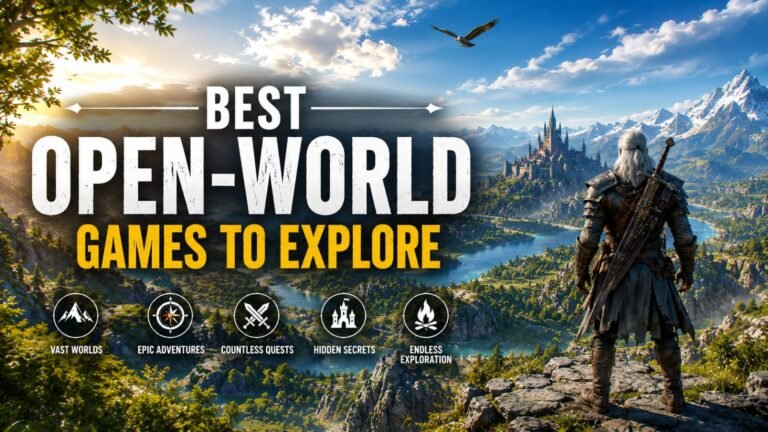
Fantasy-themed open-world games transport players into richly imagined realms filled with magic, mythical creatures, and elaborate lore. These titles often feature deep character progression systems alongside their expansive worlds, allowing players to develop their character’s abilities while simultaneously exploring vast, immersive fantasy landscapes.
The appeal of these games often extends beyond just the main questline, with many featuring elaborate side quest narratives, hidden dungeons, and rich environmental storytelling that rewards players who take the time to thoroughly explore rather than rushing through the primary story content.
Post-Apocalyptic and Survival Open Worlds
Post-apocalyptic open-world games create a distinct atmosphere of tension and resource scarcity, often combining exploration with survival mechanics that require careful resource management. These worlds typically feature environmental storytelling that reveals the history of what led to their fallen state through scattered notes, ruined structures, and other subtle narrative details.
This genre often excels at creating a sense of genuine danger and consequence to exploration, since venturing into unknown areas frequently carries risk from hostile factions, dangerous creatures, or environmental hazards, adding meaningful stakes to the otherwise freeform exploration experience.
Modern Urban Open Worlds
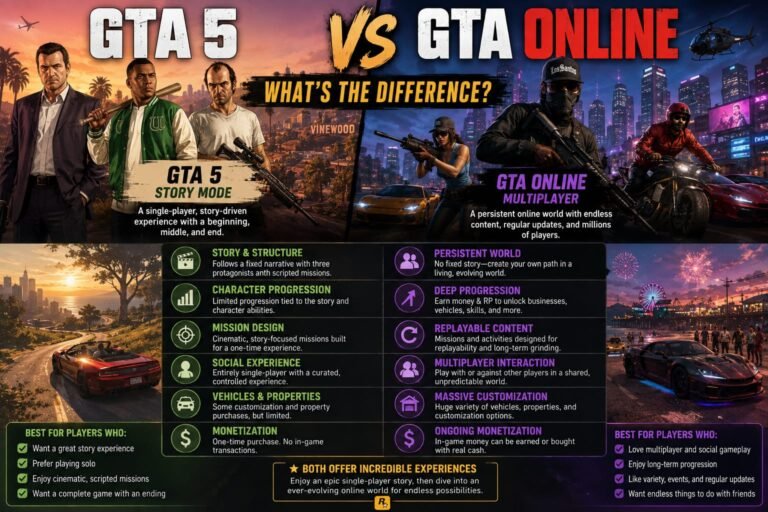
Games set in detailed, realistic modern city environments offer a different kind of open-world appeal, often focusing on criminal underworld narratives, detailed vehicle systems, and richly simulated urban environments filled with pedestrians and traffic that create a living, breathing city atmosphere.
These titles frequently emphasize vehicle-based exploration and traversal, alongside on-foot activities, creating varied gameplay approaches to navigating their expansive urban environments while offering numerous side activities and side businesses beyond the primary narrative content.
Historical Open-World Settings
Historical open-world games recreate specific time periods and locations with remarkable attention to detail, often blending genuine historical elements with fictional narrative content. These games provide an educational dimension alongside their entertainment value, allowing players to explore meticulously recreated historical settings.
The appeal of historical open worlds often lies in the authentic atmosphere created through careful architectural, cultural, and environmental research, offering players a genuine sense of exploring a specific historical period rather than a generic fantasy or modern setting.
Sci-Fi and Space Exploration Open Worlds
Science fiction open-world games often expand the concept of exploration beyond a single planet or region, sometimes incorporating space travel and multiple explorable worlds or star systems within a single game. This scale creates an even greater sense of scope and discovery compared to more traditionally sized open-world titles.
These games frequently combine exploration with resource gathering, crafting, and base-building mechanics, creating deep gameplay loops that extend far beyond simple sightseeing, appealing to players who enjoy both exploration and systems-based progression simultaneously.
Nature and Wilderness-Focused Open Worlds
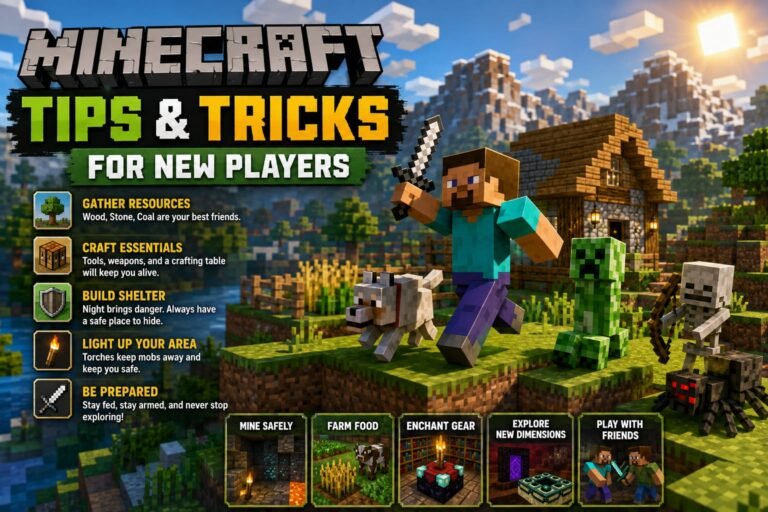
Some open-world games shift focus toward natural, wilderness environments rather than urban or fantastical settings, emphasizing survival, wildlife interaction, and environmental beauty. These titles often feature dynamic weather systems and day-night cycles that meaningfully impact gameplay, creating an immersive connection to the natural world being explored.
This subgenre often appeals to players seeking a more contemplative, less combat-focused exploration experience, prioritizing atmosphere and environmental storytelling over constant action or conflict throughout the exploration process.
The Role of Side Content in Open Worlds
Side quests, collectibles, and optional activities play a crucial role in making open-world games feel rich and rewarding to explore. The best titles ensure this side content feels meaningful rather than repetitive filler, often incorporating unique narrative elements, interesting characters, or genuinely rewarding gameplay mechanics distinct from the main questline.
Games that fail to differentiate their side content, resulting in repetitive, formulaic activities scattered across the map simply to pad playtime, often receive criticism for prioritizing quantity over quality in their world design, highlighting the importance of thoughtful content design over sheer map size.
Balancing Freedom With Narrative Structure
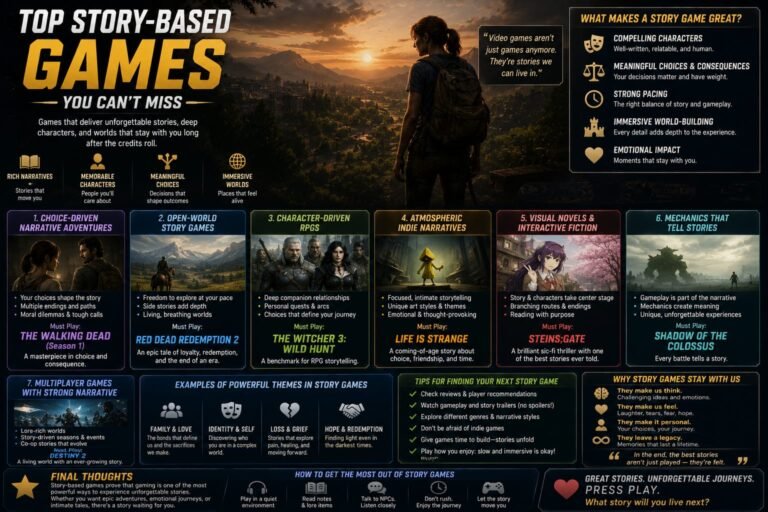
One of the biggest challenges in open-world game design is balancing player freedom with coherent narrative pacing. Games that offer too much unstructured freedom can sometimes leave players feeling directionless, while overly restrictive guidance can undermine the sense of exploration freedom that defines the genre.
The most successful open-world games find creative solutions to this balance, such as gently guiding players toward narratively significant content while still allowing genuine freedom to explore, sequence activities in preferred order, or ignore the main story entirely in favor of pure exploration and side content.
Technical Achievements in Open-World Design
Creating a seamless, detailed open world represents a significant technical achievement, requiring careful optimization to maintain performance while rendering vast, detailed environments without excessive loading interruptions. Advances in game engine technology have allowed developers to create increasingly larger and more detailed worlds while maintaining smooth performance.
These technical achievements often go unnoticed by players when done well, since a seamless experience simply feels natural, but they represent substantial development effort and innovation that makes the immersive, uninterrupted exploration experience possible in the first place.
Choosing Your Next Open-World Adventure
With so many different open-world subgenres available, choosing your next game depends heavily on what type of exploration experience appeals to you most. Fantasy enthusiasts might gravitate toward magical realms filled with mythical creatures, while those interested in realistic environments might prefer modern urban settings or historically accurate recreations.
Considering your preferred gameplay pace, whether you enjoy fast-paced action-oriented exploration or a slower, more contemplative approach to discovering a game world, also helps narrow down which specific open-world titles might resonate most with your personal preferences.
Final Thoughts
Open-world games continue to represent some of the most ambitious and immersive experiences in modern gaming, offering players genuine freedom to explore richly detailed virtual worlds at their own pace. From fantasy realms and post-apocalyptic wastelands to detailed modern cities and expansive sci-fi universes, this genre offers remarkable variety for players seeking exploration-focused gameplay.
Whether you’re drawn to combat-heavy adventures, contemplative wilderness exploration, or richly narrative-driven worlds, the open-world genre continues to push creative and technical boundaries, ensuring there’s always a new, expansive world waiting to be discovered by players eager for genuine freedom and exploration in their gaming experiences.
About the Author